What We’re Advocating For
The Backstory

We’re calling for common sense EdTech policy in public schools. Many of these practices have already been adopted in parts of the country, but most school districts are still running headlong towards “more is more” EdTech policies with few guardrails in place.
During the COVID-19 pandemic, educators had few options other than fully remote, fully online learning. But while the pandemic accelerated this transition, it did not start it. And the changes did not end when we returned to in-person learning.
Many parents have long been suspicious of the technology in their kids’ schools, but until recently, there has not been research to back up that parental intuition. That is quickly changing, and as more research becomes available on the impacts of student technology use, it becomes clear that parents were right to be wary. Students do not learn better with technology at the center of their education - in fact, they are learning less and suffering because of it.
We’re Championing…
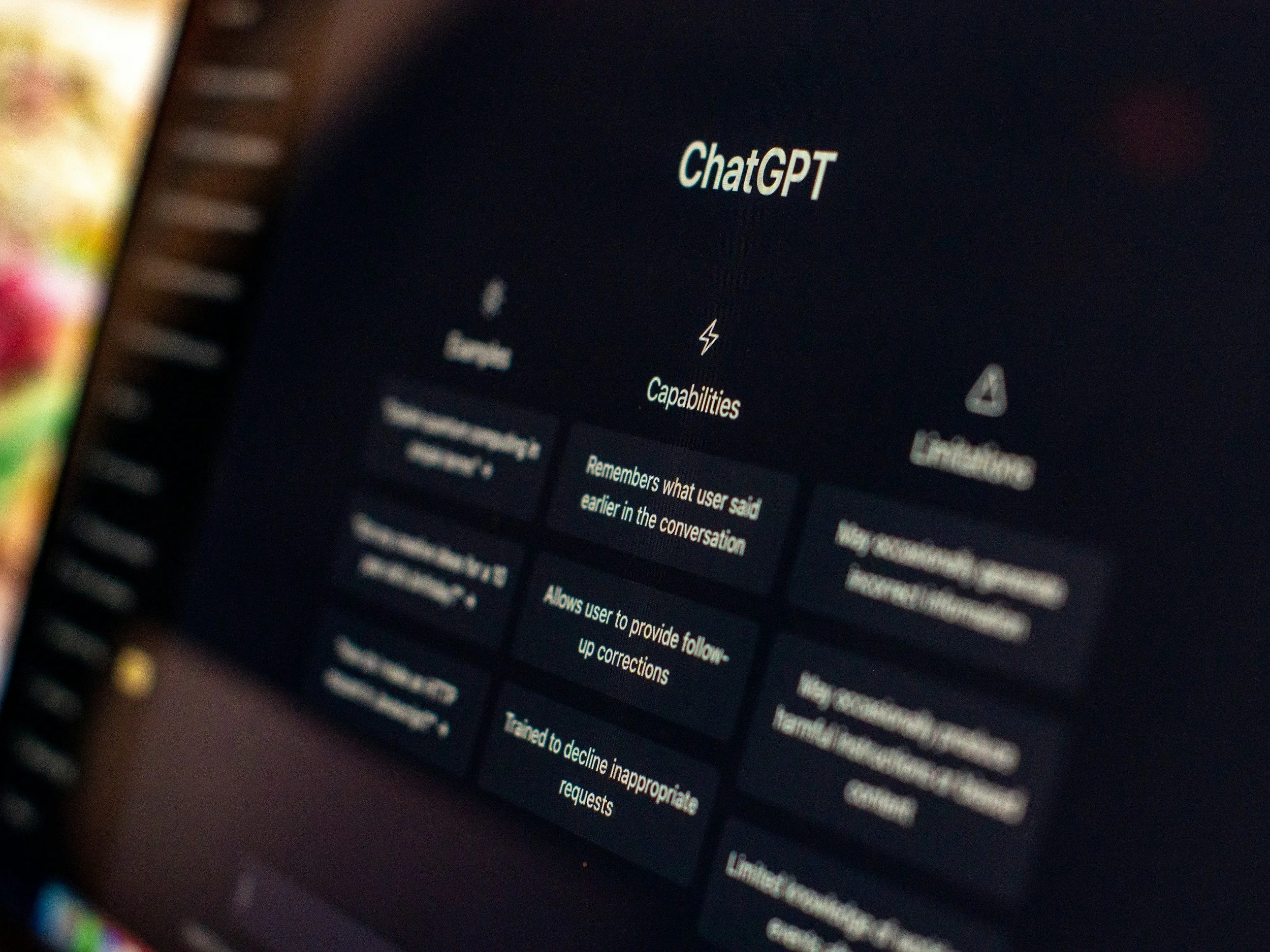
AI Policy Overhaul
The risks of AI use in schools outweigh the potential benefits, and students should not be used as experimental subjects for AI companies.
We’re calling for removal of generative AI from all school-issued student devices and a moratorium on future partnerships with AI companies until a complete AI policy, including grade level guidelines and specific use instructions, is passed.
Sign our petition here.

Science-Based Screen Time Limits

Studies show that the more a student interacts with devices at school, the less they learn. For some grade levels, there is little to no benefit from technology in the classroom.
We’re calling for a tech audit of device use in WCPSS. We suggest the removal of all 1:1 devices for grades K-2 and strict screen time limits by grade level for grades 3-12.
Responsible EdTech Fiscal Policy
North Carolina ranks last in the nation for public school education funding and yet the state has spent an estimated $3 billion on 1:1 devices. While Wake County is already making large budget cuts due to lack of resources, the state legislature continues to push for more dollars spent on unproven EdTech.
We’re calling for a public review of tax dollars spent on EdTech by county in North Carolina and a pause on additional spending until a sustainable device use plan, grounded in proven best practices, is established.
Our advocacy goals are not limited to the list above, but are prioritized as we learn more about the EdTech landscape and local, state, and national politics.
Important Note: students with an IEP or 504 should receive personalized education plans tailored to their specific needs. These plans may or may not utilize technology as outlined above.
Have a suggestion? Work in NC public schools and want to provide input on these suggested policies?